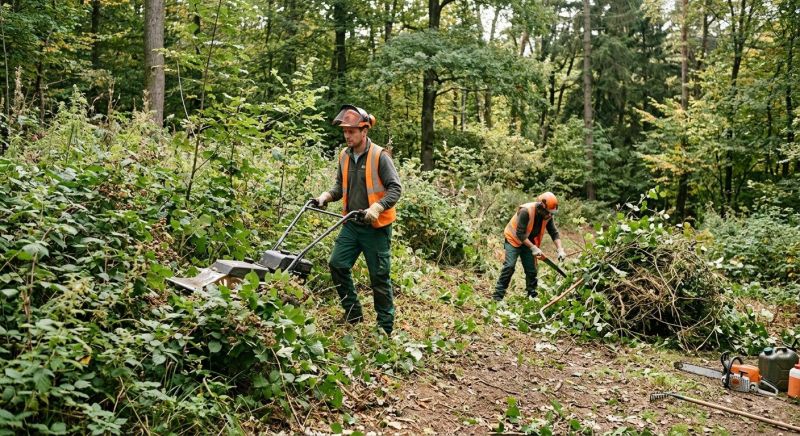
Underbrush Clearing in Houston, TX
Underbrush clearing services involve removing dense vegetation, shrubs, and overgrown plants to improve the safety, appearance, and usability of a property. This service is often requested for projects such as preparing land for new landscaping, creating firebreaks, maintaining clear pathways, or restoring overgrown areas to a more manageable state. Property owners typically want to understand the scope of clearing needed, including the types of plants and debris that will be removed, as well as any potential impact on existing trees or structures.
Homeowners considering underbrush clearing should consider the size of the area to be cleared and the extent of overgrowth involved. It's helpful to clarify whether the project includes removal of roots, brush piles, or invasive species, and to understand any local regulations or restrictions that may apply. Proper planning ensures that the clearing process aligns with property goals, whether for aesthetic improvements, safety, or land management.
Many property owners in Houston, TX look into Underbrush Clearing for repairs, replacements, upgrades, and appearance-related improvements.
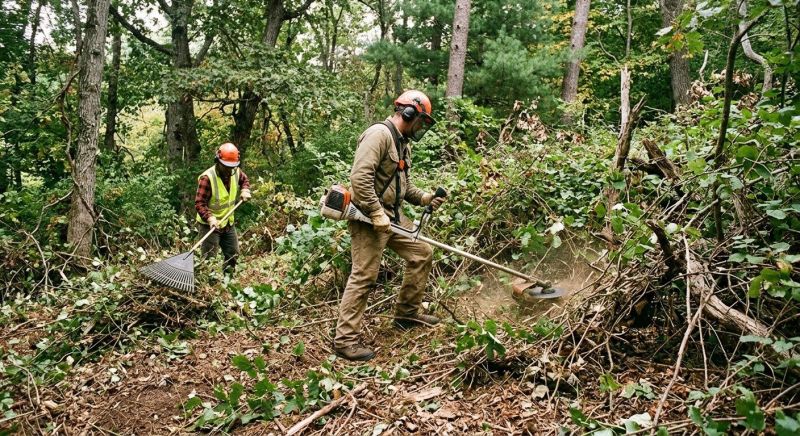
Clearing Overgrown Areas
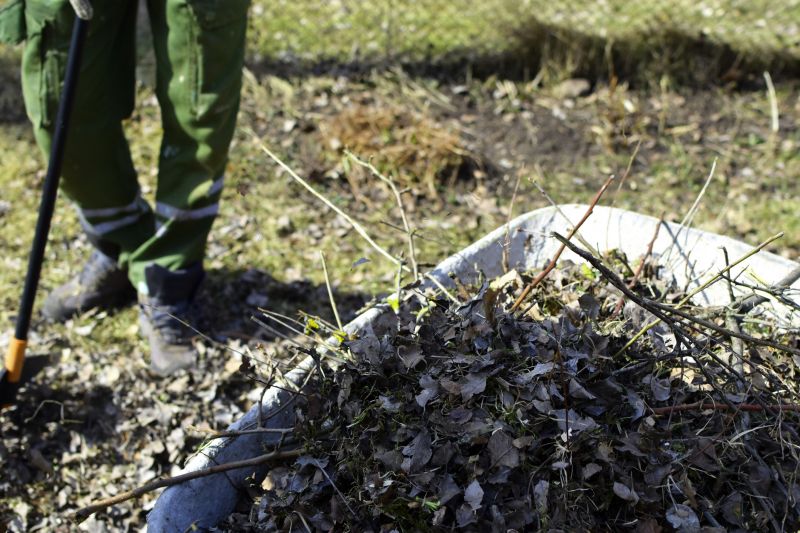
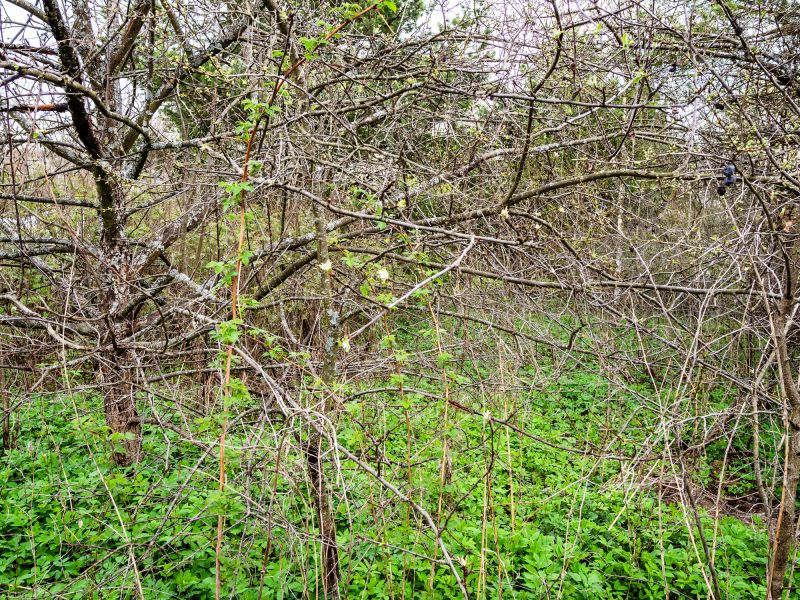
Removing dense underbrush to improve safety and accessibility on residential properties.
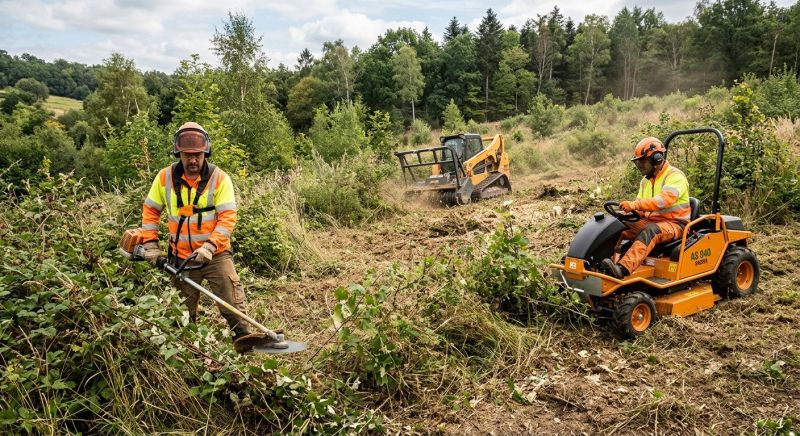
Maintaining Property Aesthetics
Enhancing the appearance of yards and gardens by managing overgrown brush and weeds.
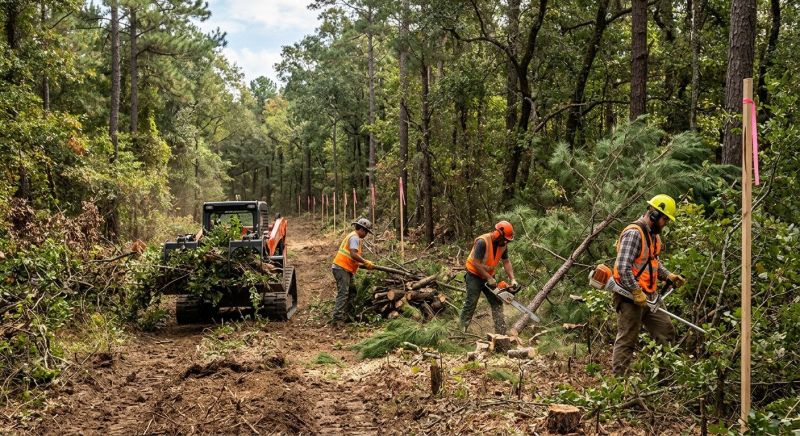
Reducing Fire Hazards
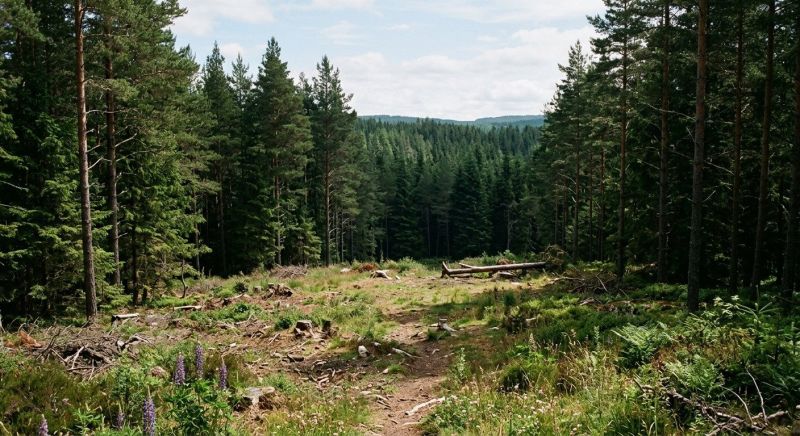
Lowering the risk of fire by removing combustible underbrush around homes in houston, tx.
Underbrush Clearing in Houston, TX

Underbrush clearing services involve removing dense vegetation, shrubs, and overgrown plants to improve the safety, appearance, and usability of a property. This service is often requested for projects such as preparing land for new landscaping, creating firebreaks, maintaining clear pathways, or restoring overgrown areas to a more manageable state. Property owners typically want to understand the scope of clearing needed, including the types of plants and debris that will be removed, as well as any potential impact on existing trees or structures.
Homeowners considering underbrush clearing should consider the size of the area to be cleared and the extent of overgrowth involved. It's helpful to clarify whether the project includes removal of roots, brush piles, or invasive species, and to understand any local regulations or restrictions that may apply. Proper planning ensures that the clearing process aligns with property goals, whether for aesthetic improvements, safety, or land management.
Many property owners in Houston, TX look into Underbrush Clearing for repairs, replacements, upgrades, and appearance-related improvements.
Common Underbrush Clearing Jobs
Underbrush Clearing - Removes overgrown vegetation to improve yard visibility and accessibility.
Brush Removal - Clears dense brush to create open space for landscaping or construction.
Vegetation Management - Controls invasive plants and reduces fire hazards through targeted clearing.
Overgrowth Removal - Eliminates thick undergrowth to promote healthy lawn and garden growth.
Wildfire Prevention - Reduces combustible materials to lower the risk of fire spreading on the property.
Property Cleanup - Restores a tidy appearance by removing debris and unwanted plant material.
Underbrush Clearing Questions
What is underbrush clearing? Underbrush clearing involves removing dense shrubs, small trees, and overgrown vegetation to improve yard visibility and safety.
When should underbrush clearing be done? It is typically performed when overgrowth begins to hinder access, pose fire risks, or affect property aesthetics.
What types of projects benefit from underbrush clearing? Properties with overgrown lots, fire hazard zones, or areas needing improved landscaping often require underbrush removal.
Is underbrush clearing suitable for all property sizes? Yes, it can be adjusted to fit small yards or large acreage, depending on the extent of overgrowth.
Request Underbrush Clearing in Houston, TX
Use the quote form on this page to share the basics of your project and request more information for the type of work you need.